Hard Water, Boilers and Leaks in Portsmouth
Portsmouth Water, 2026
- 263–310
- mg/l hardness, zone averages
- 15
- supply zones
- 18–22
- °Clark, the older British unit
Portsmouth hard water averages 263 to 310 mg/l as calcium carbonate across Portsmouth Water's 15 supply zones, which shapes limescale, combi boiler care and the plumbing rules in south-east Hampshire homes.
Chalk & Cistern notes · checked and updated
Where Portsmouth water sits on the hardness scale
Portsmouth Water zone averages, 2026: 263 to 310 mg/l as calcium carbonate (about 18 to 22 °Clark). Bands from the Drinking Water Inspectorate. What the numbers mean at home
- Walderton263 mg/l
- Farlington Central277 mg/l
- Farlington South (incl. Southsea)282 mg/l
- Lovedean296 mg/l
- Littleheath302 mg/l
- Worlds End310 mg/l
Water and limescale
Portsmouth Water's chalk supply, what the hardness figures mean, and which treatment does what.
The whole section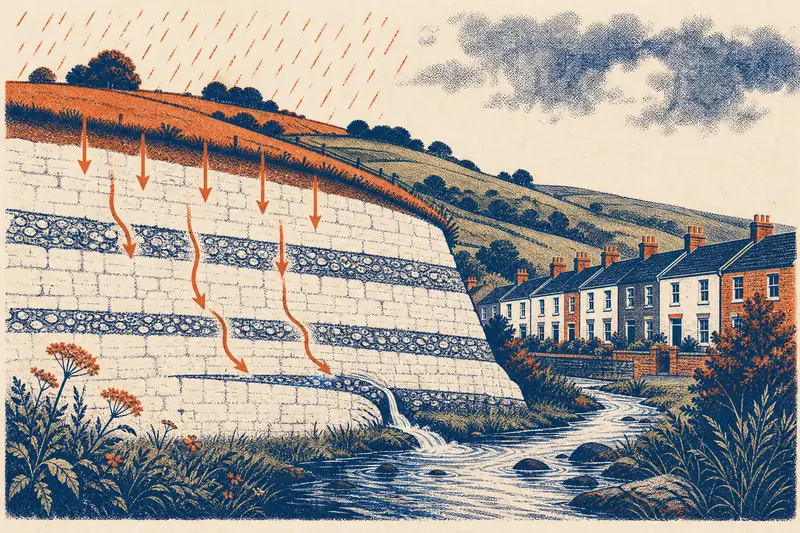 How Hard Is Portsmouth's Water?Water and limescale
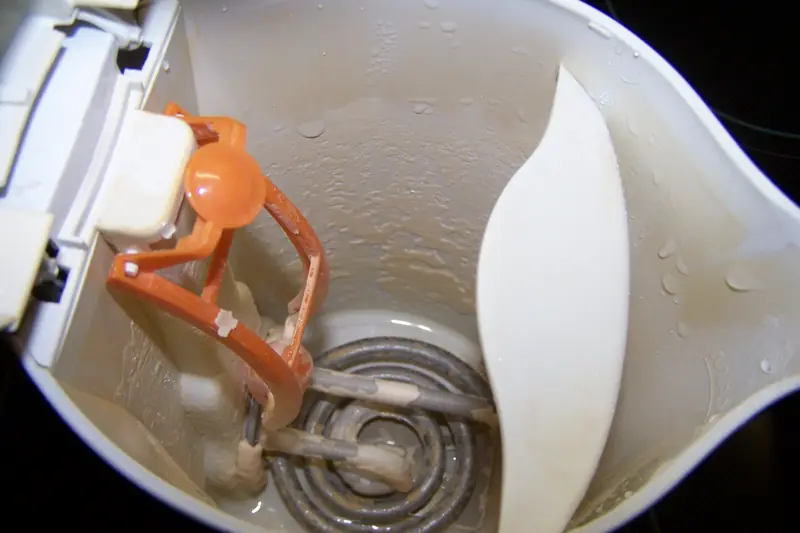
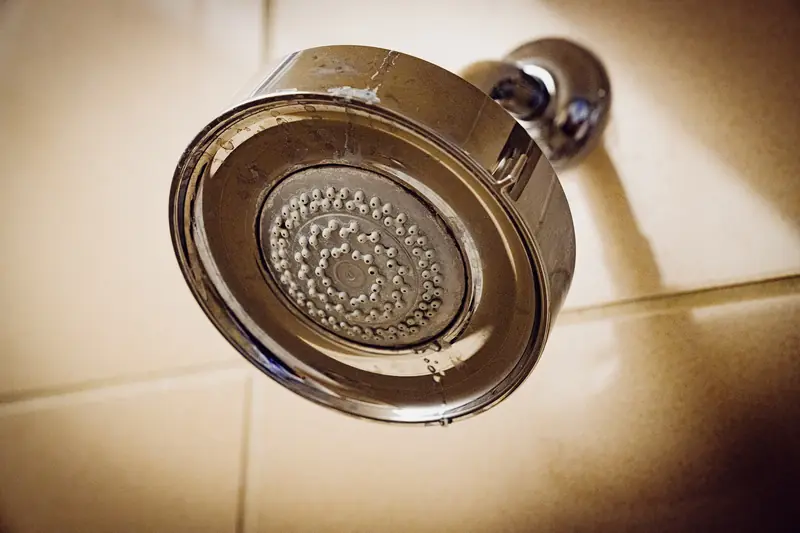
 Limescale: Causes, Removal and PreventionWater and limescale
 Water Softeners: Worth It on Hard Water?Water and limescale
 What Size Water Softener Do You Need?Water and limescale
 Scale Reducers and Salt-Free ConditionersWater and limescale
 Do You Need a Separate Drinking Water Tap?Water and limescale
 Is Reverse Osmosis Worth It?Water and limescale
 Lead Water Pipes: Check, Test, ReplaceWater and limescale
 Water Filters: Which Type Does What?Water and limescale
 Private Water Supplies and BoreholesWater and limescale
Boilers and hot water
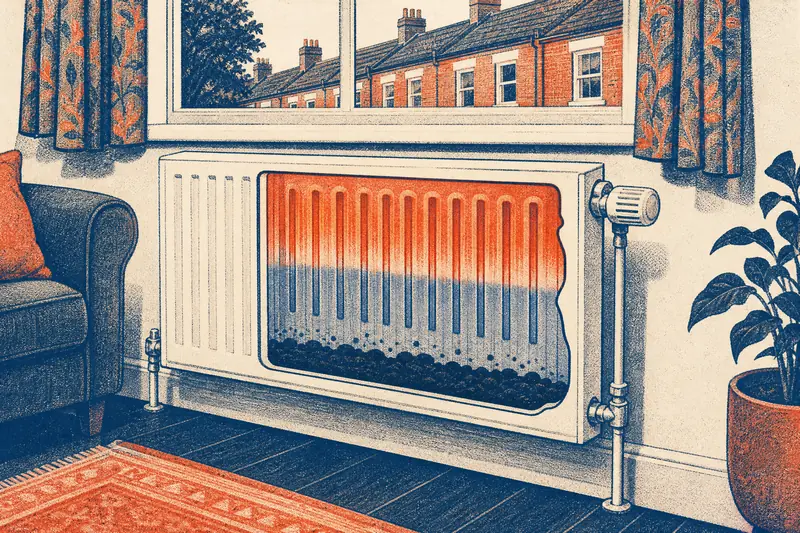
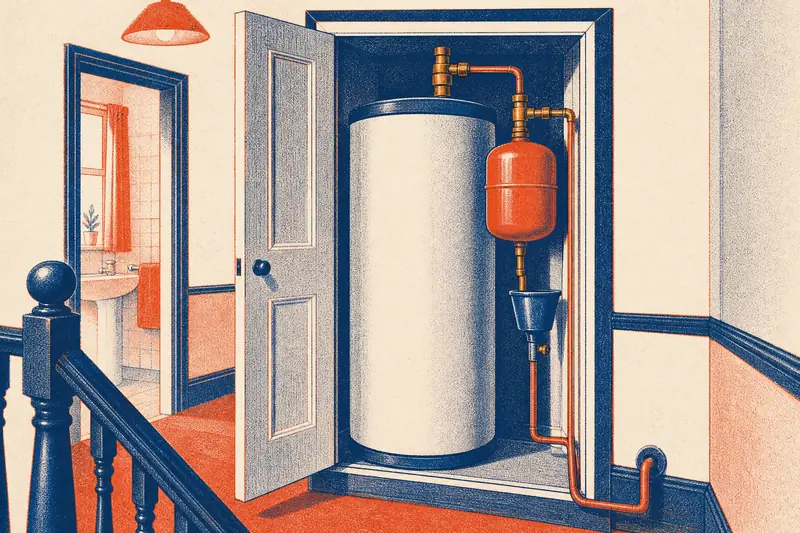
Combis on hard water, pressure gauges, sludge and the rules for unvented cylinders.
The whole section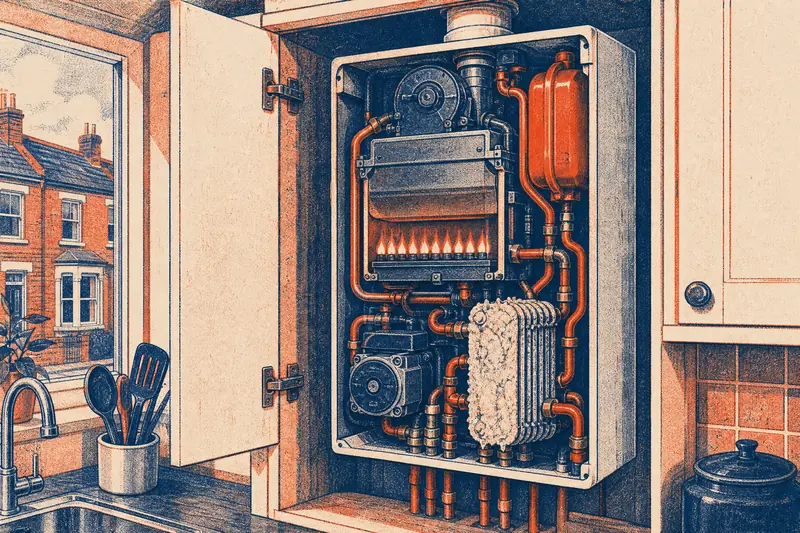
Leaks, pipes and rules
Whose pipe is whose, frozen and burst pipes, meters, drains, the fittings rules and landlord checks.
The whole section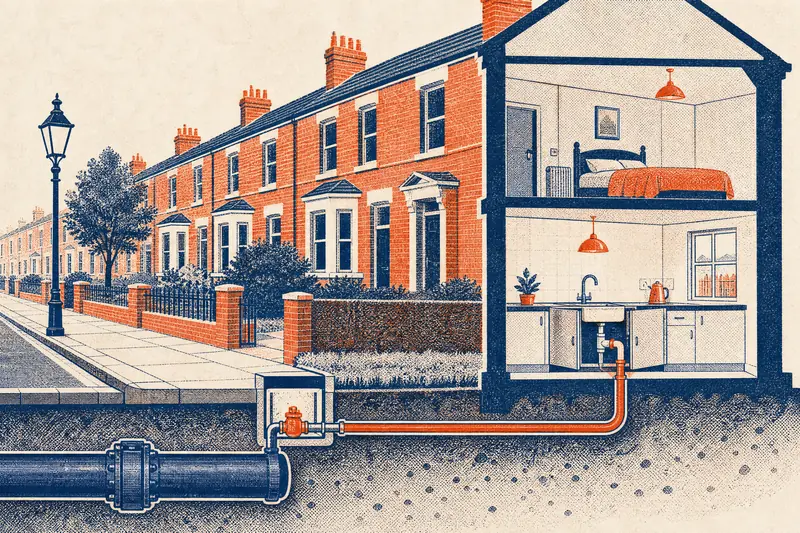 Water Leaks: Whose Pipe, Whose Bill?Leaks, pipes and rules
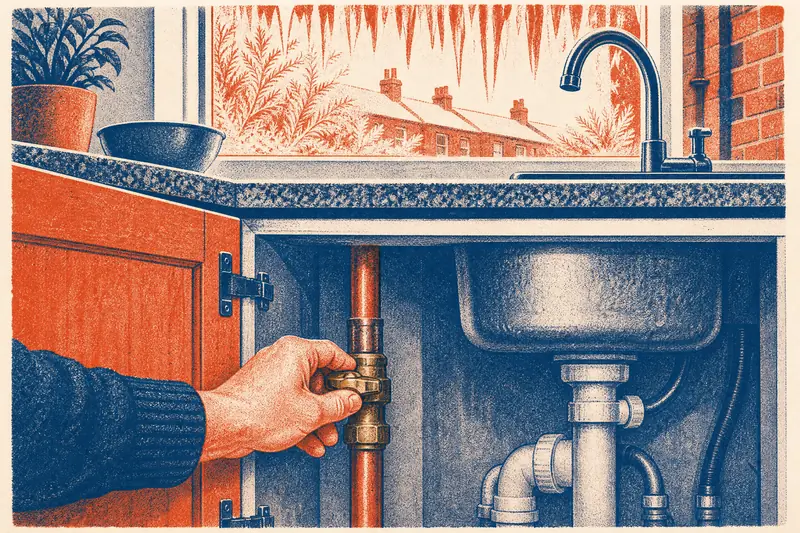 Burst and Frozen Pipes: What to DoLeaks, pipes and rules
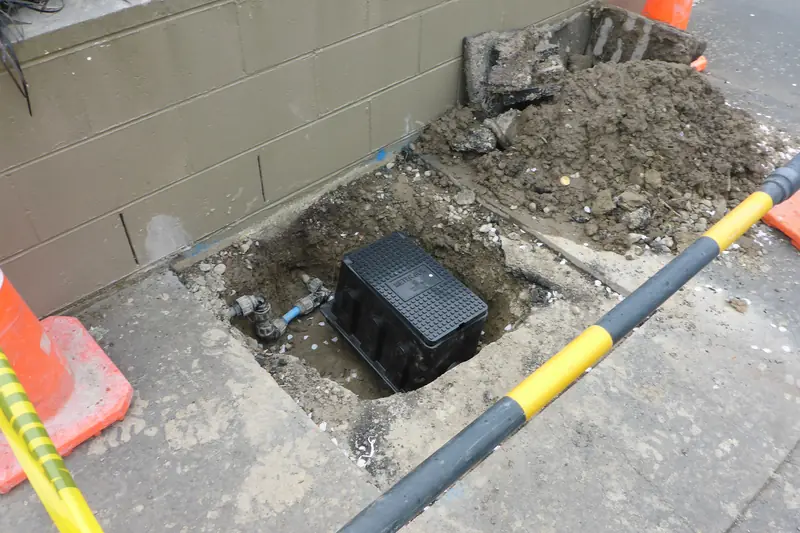 Water Meters: Reading, Bills and LeaksLeaks, pipes and rules
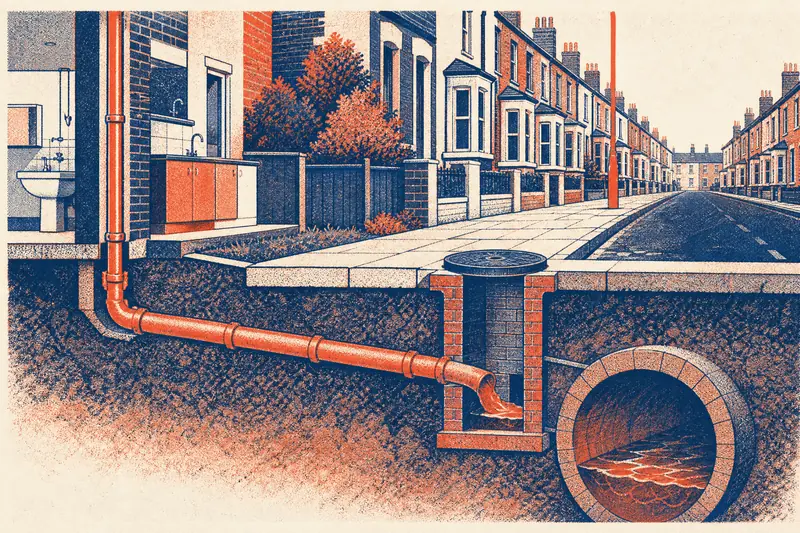 Blocked Drains: Yours or the Sewer Company's?Leaks, pipes and rules
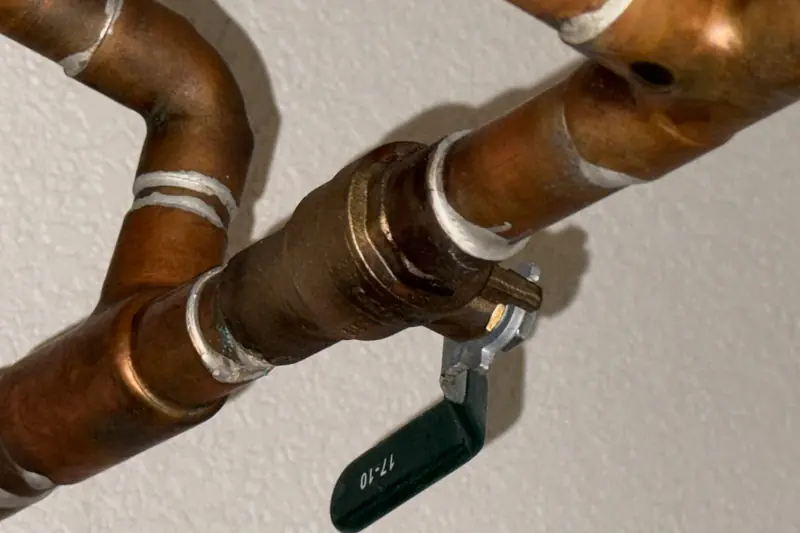 Water Regulations for Home PlumbingLeaks, pipes and rules
 Landlords: Gas Safety and Water DutiesLeaks, pipes and rules
In brief
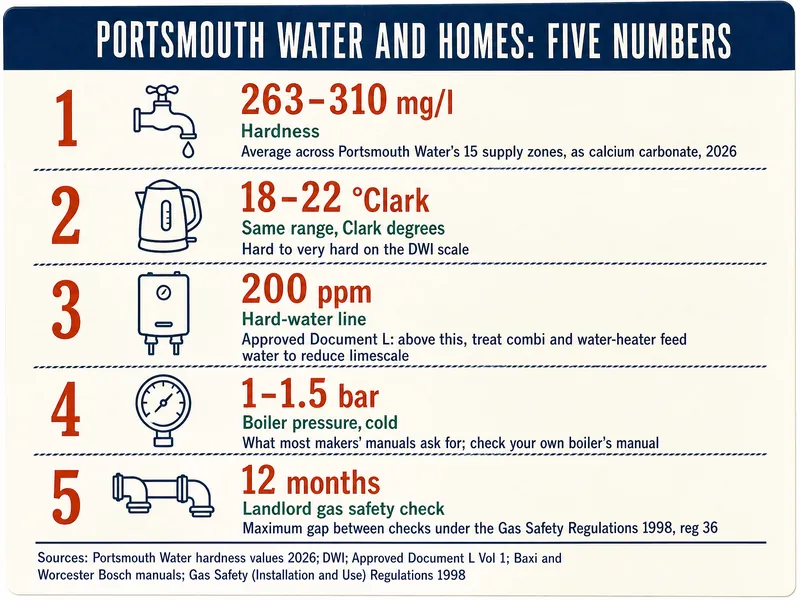
- Portsmouth Water's 2026 hardness table gives zone averages of 263–310 mg/l as calcium carbonate (18–22 °Clark): hard to very hard on the DWI scale.
- Around 85% of the supply is groundwater from chalk springs and boreholes, and the remaining 15% is drawn from the River Itchen, by Portsmouth Water's account.
- Every zone sits above the 200 ppm line at which Approved Document L expects scale treatment for combi boilers and water heaters.
- Most boiler makers ask for about 1 to 1.5 bar with the heating cold; Baxi and Vaillant boilers shut down below about 0.5 bar.
- The supply pipe from the boundary into the house is the owner's; Portsmouth Water offers £100 towards a repair, or £200 towards replacing the whole pipe, within 30 days of the leak being found.
- A landlord's gas safety check is due at intervals of no more than 12 months, with a copy to existing tenants within 28 days (reg 36).
Soundings for south-east Hampshire
- 740,000people supplied by Portsmouth WaterPortsmouth Water Key Facts
- 263–310 mg/laverage hardness by supply zone, 2026Portsmouth Water hardness values
- 200 ppmhard-water threshold in building guidanceApproved Document L, Vol 1
- 38%of leaks are on customers' own pipes and plumbingPortsmouth Water, Find it. Fix it.
- 20.5air-frost days a year at the Solent climate station, 1991–2020Met Office
How hard is Portsmouth's tap water?
It is hard to very hard: Portsmouth Water's 2026 table puts its 15 supply zones between 263 and 310 mg/l as calcium carbonate, about 18 to 22 °Clark. The Farlington zones that serve Portsmouth itself, Southsea included, run 277 to 282 mg/l. On the Drinking Water Inspectorate's scale, anything from 200 to 300 counts as hard and anything above 300 as very hard.
The hardness comes from the ground. Rain soaks into the chalk of the South Downs and picks up calcium on the way, and most of the supply is pumped back out of that same chalk. Only three zones average over 300 or close to it: Worlds End (310), Littleheath (302) and Lovedean (296, near the very-hard line).
Zone boundaries do not follow town names, so the reliable figure for your street comes from Portsmouth Water's Zone Lookup. The hard water page goes through every zone, and the limescale page covers what that hardness leaves behind in kettles, taps and showers.
| Zone | mg/l as calcium carbonate | Clark degrees | DWI band |
|---|---|---|---|
| Walderton (softest average) | 263 | 18 | Hard |
| Farlington Central (Portsmouth) | 277 | 19 | Hard |
| Farlington South (includes Southsea) | 282 | 20 | Hard |
| Lovedean | 296 | 21 | Hard, close to 300 |
| Littleheath | 302 | 21 | Very hard |
| Worlds End (hardest average) | 310 | 22 | Very hard |
Do Portsmouth homes need a water softener?
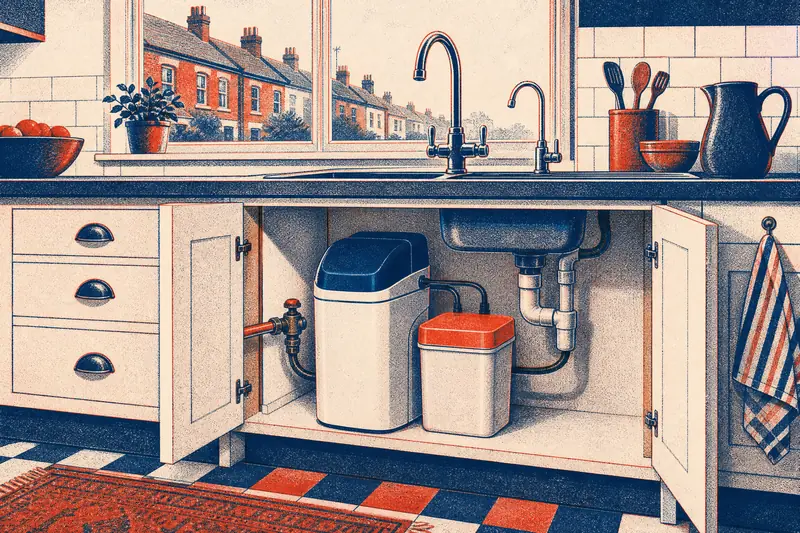
No law requires one; the DWI calls a softener "a matter of personal choice", though on water this hard it will cut scale in appliances and on bathroom fittings. What the law does cover is fitting one. A softener that regenerates with water is on the notification list in regulation 5 of the Water Fittings Regulations, so Portsmouth Water must be told before the work starts; consent is deemed if it has not replied within ten working days.
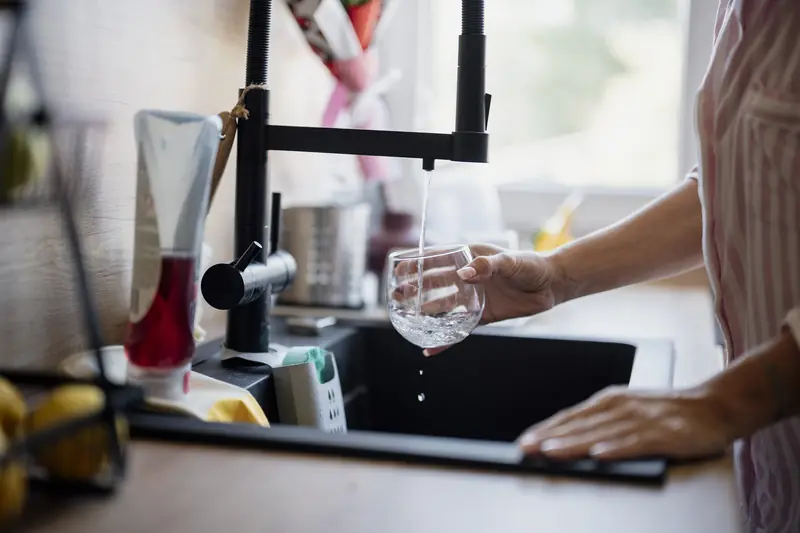
Official advice also asks you to keep one unsoftened tap in the kitchen for drinking and cooking, because ion exchange swaps hardness for sodium. The drinking water tap page sets out who says so and why it is advice rather than law. For the choice itself, the water softeners page explains how they work, softener sizing runs the sums on local hardness, and scale reducers covers the salt-free route.
What does hard water do to a combi boiler?
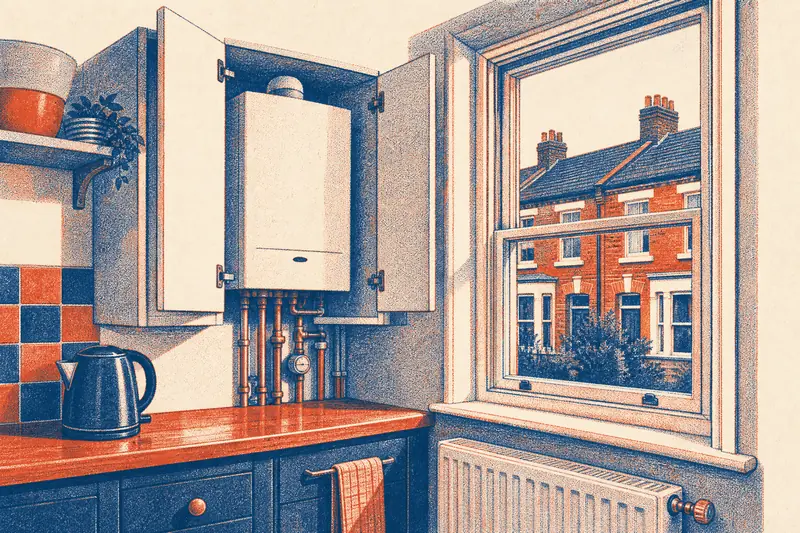
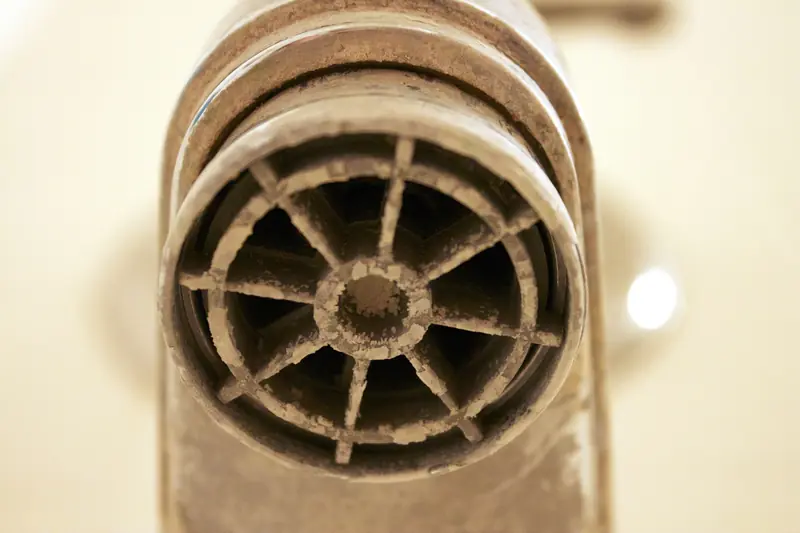
It coats the hot-water heat exchanger with scale, and Vaillant's own fault table names "scale in the secondary heat exchanger" among its causes, to be descaled or the part replaced. That is why Approved Document L, para 8.8, says that in hard water areas the feed to water heaters and the hot-water circuit of combination boilers should be treated to reduce limescale. Its definition of a hard water area is over 200 ppm, and every Portsmouth Water zone clears that line.
Makers set their own thresholds and do not agree. Worcester Bosch's Greenstar 4000 manual says that where temporary hardness exceeds 200 ppm "consideration may need to be given to the fitting of a scale prevention device". Vaillant says softening above 15 °dH (267 ppm) "may make sense". Baxi wants the sealed heating circuit filled only from an unsoftened supply.
Pressure is the other everyday question. Most makers ask for about 1 to 1.5 bar with the system cold, rising to no more than about 2.5 bar when hot. The combi boilers page covers scale, the boiler pressure page covers topping up from the user manual, and the heating hub gathers the rest, including powerflushing. Anything inside a gas boiler is work for a Gas Safe registered engineer.
Who fixes a leak on the pipe outside?
That depends on which side of your boundary the leak is. Portsmouth Water owns the main and the communication pipe up to the boundary or its stop tap; from there the supply pipe into the house, and every pipe indoors, belongs to the owner, as Ofwat also sets out. The company says around 38% of leaks happen on customers' pipes and plumbing.
Portsmouth Water's leaks page offers £100 towards repairing a leaking supply pipe, or £200 towards replacing the whole of it, if the job is done within 30 days of the leak being found. Metered customers can ask for a leak allowance if the repair is done within 60 days, once in five years. The leaks page walks through who pays, burst pipes covers the stop tap and thawing, and water meters explains reading yours.
Which water rules apply to plumbing work?
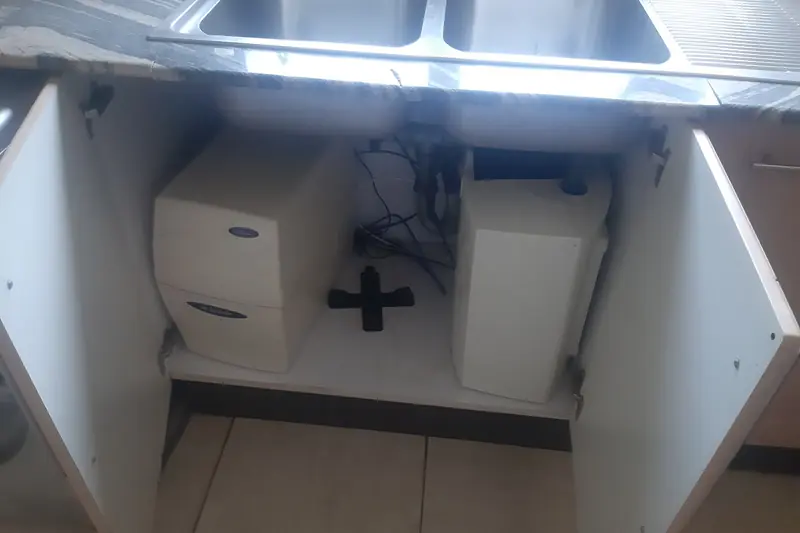
The Water Supply (Water Fittings) Regulations 1999 apply to every fitting connected to the mains: nothing may be installed in a way that causes waste, misuse or contamination, and fittings must be of an appropriate quality and standard. Some jobs need notice to the water company first, among them a bath over 230 litres, a pump drawing more than 12 litres a minute and any reverse osmosis unit. Breaking the rules can bring a fine of up to level 3 on the standard scale.
An approved contractor, such as a plumber on the WaterSafe register, can certify the work and is exempt from notice for some items. Gas work is separate: anyone doing it must be competent, and anyone doing it as a business must be Gas Safe registered, so treat anything inside a gas appliance as an engineer's job. The water regulations page lists every notifiable job, and unvented cylinders covers Approved Document G's safety rules for hot water storage.
What do landlords have to check?
Gas first: every gas appliance and flue needs a safety check by a Gas Safe registered engineer at intervals of not more than 12 months, the record kept for 2 years and a copy given to existing tenants within 28 days. A carbon monoxide alarm is required in any room used as living accommodation that holds a fixed combustion appliance other than a gas cooker, a rule in force since 1 October 2022 with penalties of up to £5,000.
The HSE says landlords must assess the legionella risk, though testing is "not usually required" for domestic systems. Section 11 of the Landlord and Tenant Act 1985 makes the landlord keep the installations for water, gas, sanitation, space heating and hot water in repair. The landlords page sets out each duty with its source, and the pipes hub links the leak and drain pages that tenants ask about.
Where these figures come from
Hardness figures are Portsmouth Water's average values by supply zone (document WQ 09 04 15, issued 10 February 2026), the 85% groundwater share is from its water quality page, and the population figure is from its Key Facts page. Building and plumbing rules come from Approved Document L for dwellings (the 2021 volume with its 2023 amendments), the Water Supply (Water Fittings) Regulations 1999, the Gas Safety (Installation and Use) Regulations 1998 and the Smoke and Carbon Monoxide Alarm Regulations, read on legislation.gov.uk and gov.uk in October 2026. Boiler figures are from Baxi, Vaillant and Worcester Bosch manuals; frost days from the Met Office 1991–2020 averages. Left out: prices for plumbing or heating work, which no primary source publishes, any ranking of firms, and Southern Water's own wording, which could not be read.
Further questions
Is Southsea's water harder than the rest of Portsmouth?
Not by much. Southsea sits in the Farlington South zone, which averaged 282 mg/l as calcium carbonate in 2026, against 277 mg/l in Farlington Central. Both are in the DWI's hard band.
Does Portsmouth Water add fluoride?
No. Portsmouth Water says none of its supplies is artificially fluoridated, and the DWI's list of companies required to fluoridate does not include it.
Who is the sewerage company for Portsmouth?
Southern Water deals with sewage in the area, while Portsmouth Water supplies the drinking water. Since 1 October 2011 most shared private sewers and lateral drains have belonged to the sewerage company, as the blocked drains page explains.
Is Chalk & Cistern part of Portsmouth Water?
No. This site is not Portsmouth Water, Southern Water, or a plumbing or heating company. It quotes their published documents and links to them, so check anything urgent with the company itself.
How often should I check my boiler pressure?
Baxi's user guide asks you to check it periodically with the system cold, when it should read between 1 and 1.5 bar. Needing to top up regularly points to a leak, and the boiler manual is the place to start.
What happens if a softener goes in without notice to Portsmouth Water?
Fitting a regenerating softener without the notice that regulation 5 requires is an offence under regulation 7, with a fine of up to level 3 on the standard scale. Giving notice is free, and consent is deemed after ten working days without a reply.
Does a cold winter here freeze pipes?
It can, though the coast is mild. The Met Office station named Solent averaged about 20.5 air-frost days a year over 1991–2020, with a January mean minimum of about 3.8 °C, so lagging outside and loft pipes still matters.
Start here